
Location
- Schererville
Call Us219-322-6942
Can Pelvic Floor Dysfunction Cause Lower Back or Hip Pain?
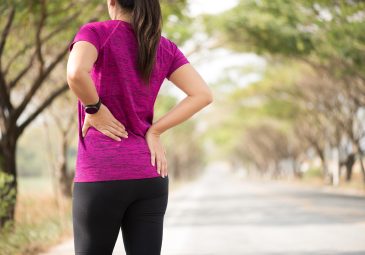
Dealing with unexplained lower back or hip discomfort is deeply frustrating. How can you treat something that you don’t know the source of? If you stretch and rest but still experience ongoing pain and stiffness, the root cause might actually be hiding somewhere you don’t expect: your pelvic region.
When your body suffers from pelvic floor dysfunction, your muscles fail to relax or contract correctly. This failure to function properly can trigger back and hip pain through:
- Direct anatomical connections to the pelvis and spine.
- Nerve compression that creates referred pain patterns.
- Loss of core stability causing muscular compensation.
At Motus Integrative Health, our holistic care team helps you uncover these sometimes-hidden connections so you can reduce pain and achieve balanced wellness. We can help you recognize whether your pain is linked to pelvic floor dysfunction and find treatments that will best address your body’s needs.
The Connection Between Pelvic Floor Muscles and the Lower Spine and Hips
Your pelvic floor includes all the muscles at the base of your pelvis. These muscles are attached to your tailbone, hip bones, and lower spine. When these muscles become too tight or weak, they can pull on your pelvic joints. This mechanical tension places stress on your lower back and hip joints, creating persistent aches and stiffness.
Nerve Pathways and Referred Pain Patterns
Your pelvis also holds a complex network of nerves that travel down into your legs and up into your lower back. When pelvic floor muscles remain in a guarded, tense state, they can compress these sensitive nerve pathways. This compression sends out pain signals that can cause you to feel pain in your lower back, glutes, or hips.
Core Instability and Muscular Imbalance Issues
The pelvic floor makes up the foundation of your deep core. If it weakens, your body may force surrounding muscles to work harder to stabilize your spine. Over time, this overcompensation can lead to significant muscular imbalances, chronic fatigue, and painful movement restrictions.
What Are the Best Integrated Treatment Approaches to Restore Function?
Resolving these interconnected issues benefits from a holistic approach. At Motus Integrative Health, we can utilize multiple therapies to restore proper alignment and muscular control:
- Physical Therapy: Enhances pelvic floor coordination and core strength to stabilize the entire region of the body.
- Chiropractic Care: Improves joint mobility in the spine and hips, reducing mechanical stress.
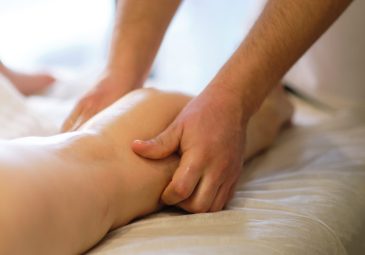
- Massage Therapy: Releases deep muscular tension.
- Breathwork: Calms the nervous system and encourages deeper core relaxation for over-tensed muscles.
Find Lasting Relief for Your Back and Hip Pain
If you haven’t found the source of your back or hip pain, check to see if you have any other symptoms that indicate the presence of pelvic floor dysfunction. Understanding how your body carries pain and how the pelvic floor muscles impact other parts of the body can be the start of helping you reclaim your health and mobility. Ready to find a better way forward? Contact Motus Integrative Health today to schedule your comprehensive evaluation and start developing a personalized care plan designed to restore your comfort and confidence.
You Might Also Like

Ready To Feel Better?
Call Us
Contact us here for more information
Northwest Indiana Location
Schererville
Mon-Thu: 8:30am-4:30pm
Fri-Sun: closed
The Best Pain Relief &
Injury Prevention Specialists!
The information on this website is for informational purposes only; it is deemed accurate but not guaranteed. It does not constitute professional advice. Testimonials are not a guarantee, warranty or prediction of what your experience with us will be. By providing contact information, users acknowledge and give explicit consent to be contacted via the methods of communication provided, including SMS. Message and data rates may apply. Message frequency may vary. Reply STOP to opt out.
NUVEW | Copyright 2026 All Rights Reserved | Accessibility Notice | Privacy Policy